

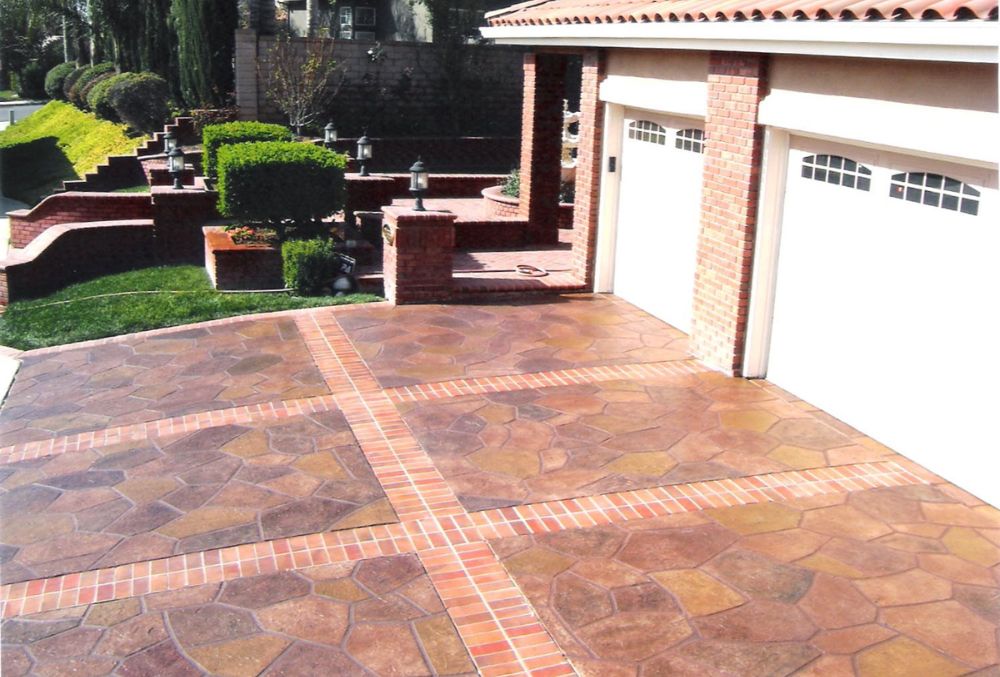
Yes — driveway resurfacing in Austin is possible for most cracked, faded, or outdated driveways rather than tearing them out, provided the concrete underneath hasn’t structurally failed. Resurfacing means applying a spray texture coating or decorative overlay over the existing slab, which typically finishes in 1 to 3 days and costs a fraction of what a full-depth replacement runs once demolition, haul-off, and the multi-week cure period are factored in. Full replacement only becomes necessary when the slab itself has failed structurally, not just cosmetically.
Signs Your Driveway Is a Good Resurfacing Candidate
Surface-level hairline cracks, fading, staining, and a rough or pitted texture are all cosmetic issues that resurfacing solves well. If a driveway is cracked but the sections on either side of each crack are still level with each other, that’s a strong sign the slab is stable and a good candidate for an overlay.
Driveway Repair vs. Full Replacement in Austin
Replacement becomes the right call when a driveway shows structural failure: sections that have sunk or heaved unevenly, cracks where one side sits noticeably higher than the other, or widespread cracking that traces back to a failed base underneath the slab. Deep root intrusion from a nearby tree can also compromise a section badly enough that resurfacing won’t hold. We check for these signs during every estimate before recommending an overlay. When resurfacing isn’t the fix, our team handles driveway repair and broader concrete repair the same way: an honest, no-pressure assessment first.
The Cost and Timeline Difference
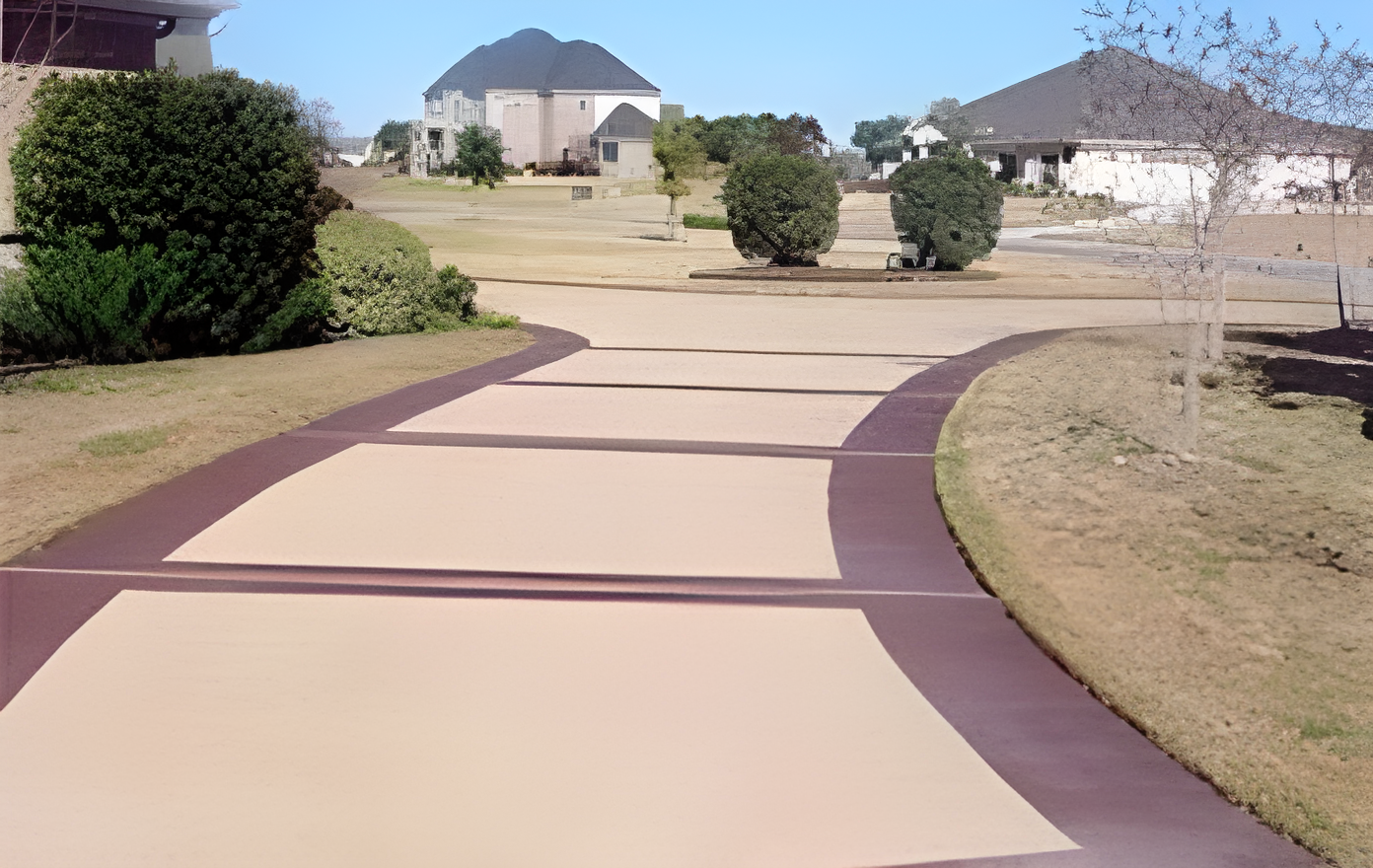
Full driveway replacement in the Austin area typically runs $6 to $12 per square foot for the pour alone, before demolition, haul-off, and the mandatory multi-week cure period are factored in. Driveway resurfacing cost starts at a fraction of that per square foot, and most residential driveways are finished in 1 to 3 days. For homeowners weighing the decision — and thinking about curb appeal and long-term durability along the way — that difference in cost and downtime is usually the deciding factor once we’ve confirmed the slab qualifies.
Driveway Resurfacing Options
Sundek of Austin offers several systems depending on the look and budget: a spray texture coating for a clean, economical refresh; SunH2O and SunDye for color and staining effects on existing concrete; and a Classic Texture, SunSplash, or SunStone stamped overlay for a fully decorative, stone- or brick-look finish.
How Long Does a Resurfaced Driveway Last?
A properly installed overlay typically lasts 10 to 15 years or more with normal care, and often longer in covered or lower-traffic areas. Durability depends on the system chosen, how well the existing slab was prepped, and how consistently basic maintenance gets done. Because the coating bonds directly to the concrete underneath, it moves with minor seasonal shifts instead of cracking independently — one reason resurfaced driveways tend to hold up well through Central Texas’s clay-soil and freeze-thaw cycles, in ways bare concrete surfaces often don’t.
Maintaining a Resurfaced Concrete Driveway
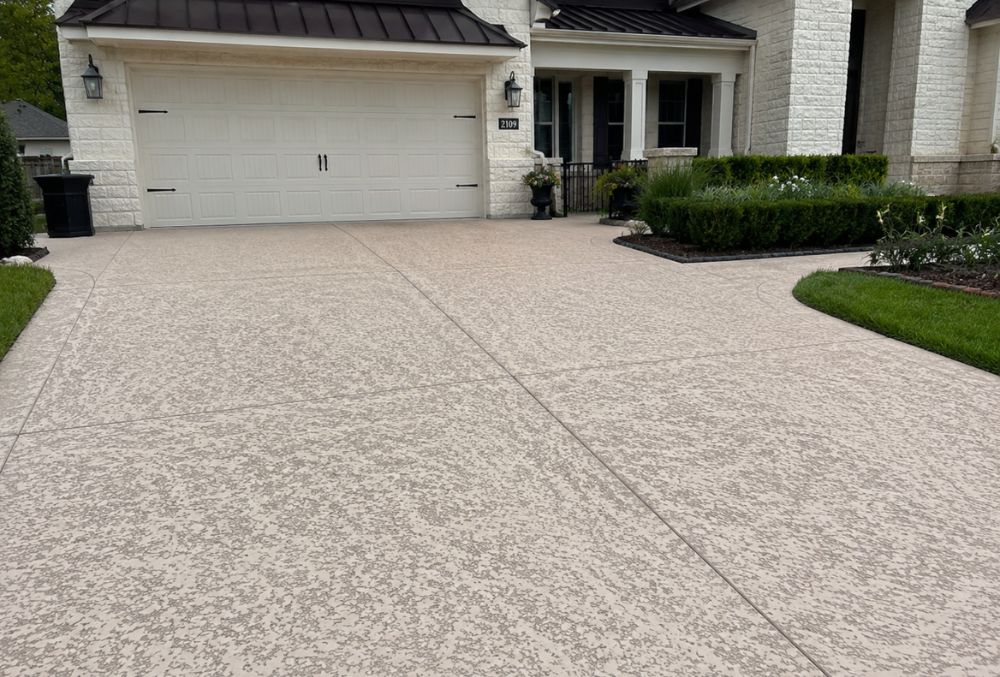
Maintenance on a resurfaced driveway is minimal compared to bare concrete. Routine sweeping or an occasional rinse keeps grit from wearing down the finish, and resealing every few years protects the coating from UV fading and stains. We walk every customer through a simple maintenance schedule at handoff, since a little upkeep goes a long way toward getting the full lifespan out of the system. If a section of the driveway — or a connected concrete patio or walkway — ever needs attention beyond routine care, our concrete repair team handles that the same way we handle the original installation.
Why This Matters in Austin
Much of the Austin metro sits on expansive clay soil that causes surface-level cracking without necessarily indicating a structural problem underneath. Texas weather adds another layer — hot, dry summers followed by heavy rain swell and shrink that clay on a yearly cycle, which is a big reason so many Austin driveways develop surface cracking even when the base itself is sound. That distinction matters — a lot of driveways we evaluate here look worse than they actually are structurally, which means more Austin homeowners qualify for resurfacing than assume they do. We inspect the crack pattern, check for base movement, and give a straight answer about which category a driveway falls into.

Frequently Asked Questions
Can any driveway be resurfaced?
Most can, as long as the base underneath hasn’t structurally failed. It’s always worth having local pros check that during a free estimate before assuming a driveway needs replacing.
How much does driveway resurfacing cost compared to a new driveway?
Resurfacing typically costs a fraction of full replacement per square foot, since there’s no demolition, haul-off, or new pour involved — see the cost breakdown above for specifics.
Does Sundek of Austin work on patios and pool decks too?
Yes — the same resurfacing systems used on driveways apply to concrete patios, pool decks, and walkways, so a driveway project is often a natural first step toward refreshing connected outdoor spaces.
Sundek of Austin has been resurfacing driveways across the Austin metro since 1986 — nearly 40 years of experience telling homeowners the truth about what their driveway actually needs. Request a free on-site estimate and we’ll tell you honestly whether your driveway is a resurfacing candidate or needs a full replacement — no pressure, no guessing.